






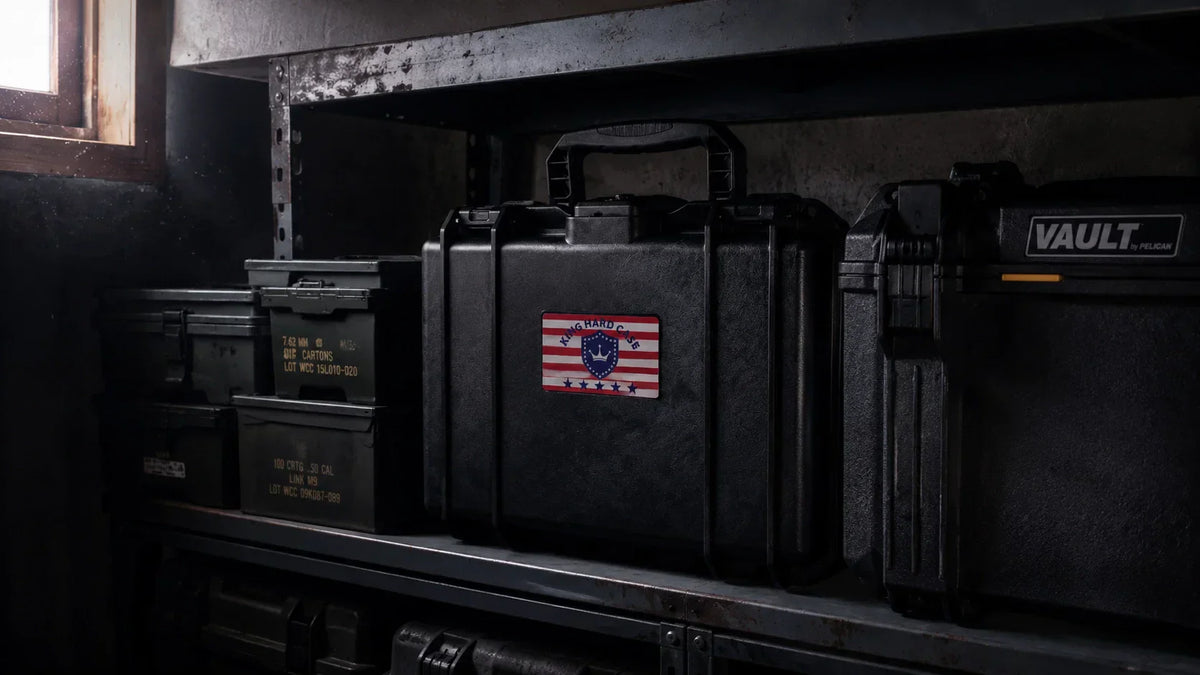
Bulk ammo has a way of looking organized on day one and turning vague six months later. A few factory boxes sit on a shelf. A range bag keeps the leftovers. A shipping carton stays in the closet because you will "sort it later."
This page is not another broad ammo box overview. It focuses on long term ammo storage: how to keep ammunition dry, labeled, rotated, and easy to inspect over months or years.
If your real question is how to store ammo long term without losing track of what you bought, the answer starts with fewer mystery boxes and better labels.
For the big-picture guide covering ammo, gear, home storage, and outdoor use, start with our Waterproof Ammo & Gear Storage Guide.
1. Long-Term Ammo Storage Is About Future Clarity
The real goal is simple: six months from now, you should know exactly what is in each case without opening every box. Caliber, load type, quantity, and purchase date should be obvious.
I would rather spend two minutes labeling a case today than waste half an hour later trying to remember which 9mm was training ammo and which box was set aside for reserve.
2. Core Rule: Original Packaging, Stable Location, Clear Labels
SAAMI ammunition storage recommendations advise storing ammunition in original or purpose-designed packaging and keeping it in a cool, dry location away from heat, open flames, solvents, and chemicals.
Original packaging keeps useful details visible. If you move ammo into a storage case, move the information with it. At minimum, label caliber, load, quantity, and month/year purchased.

3. Storage Types for Long-Term Ammunition
| Storage Type | Best Use | Long-Term Note |
|---|---|---|
| Factory cardboard inside a sealed case | Preserving manufacturer and lot information | Good balance of identity and protection |
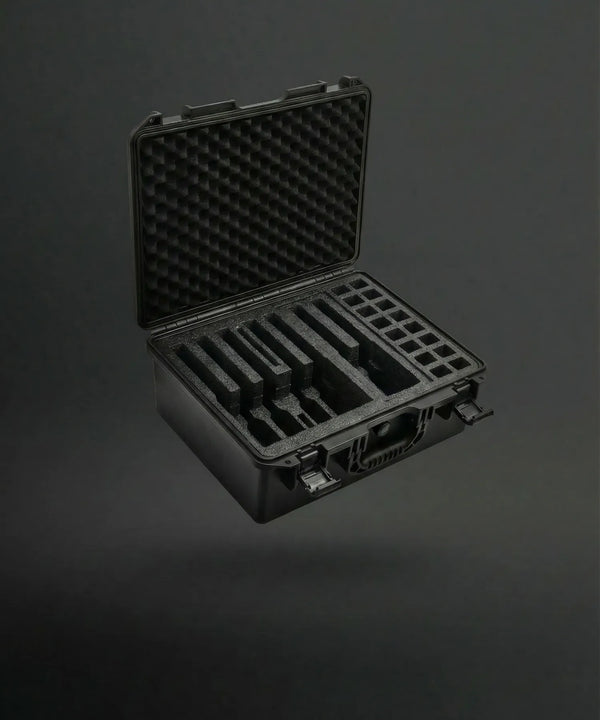
| Small ammo storage case | Range-ready pistol calibers | Easy to rotate and carry |
| Medium ammo storage container | Rifle ammo or larger quantities | Watch loaded weight before overfilling |
| Bulk storage split by caliber | High-volume training ammo | Several labeled cases beat one heavy mystery box |

4. Bulk Ammo Storage Without Creating Mystery Bulk
Bulk ammo storage should not mean one giant container full of mixed rounds. Split bulk ammunition by caliber, use, and age. Keep training ammo separate from hunting, defensive, match, or reserve loads.

When a case becomes too heavy to move comfortably, split it. A container that never gets lifted eventually stops being part of your working system.
5. Labeling and Rotation Setup
Good ammo storage labeling is plain and boring. That is the point. A clean label should include caliber, bullet weight or load type, approximate quantity, purchase date, and intended use.
For ammo storage rotation, keep older training ammo toward the front and newer reserve ammunition behind it. This is where long term ammo storage becomes a habit instead of a one-time cleanup. If you return from the range with partial boxes, put them back into the correct case before they become loose leftovers.
6. Product Recommendations for Long-Term Organization
Compact 9mm Storage: 11" 9mm Storage Case 350 Rounds
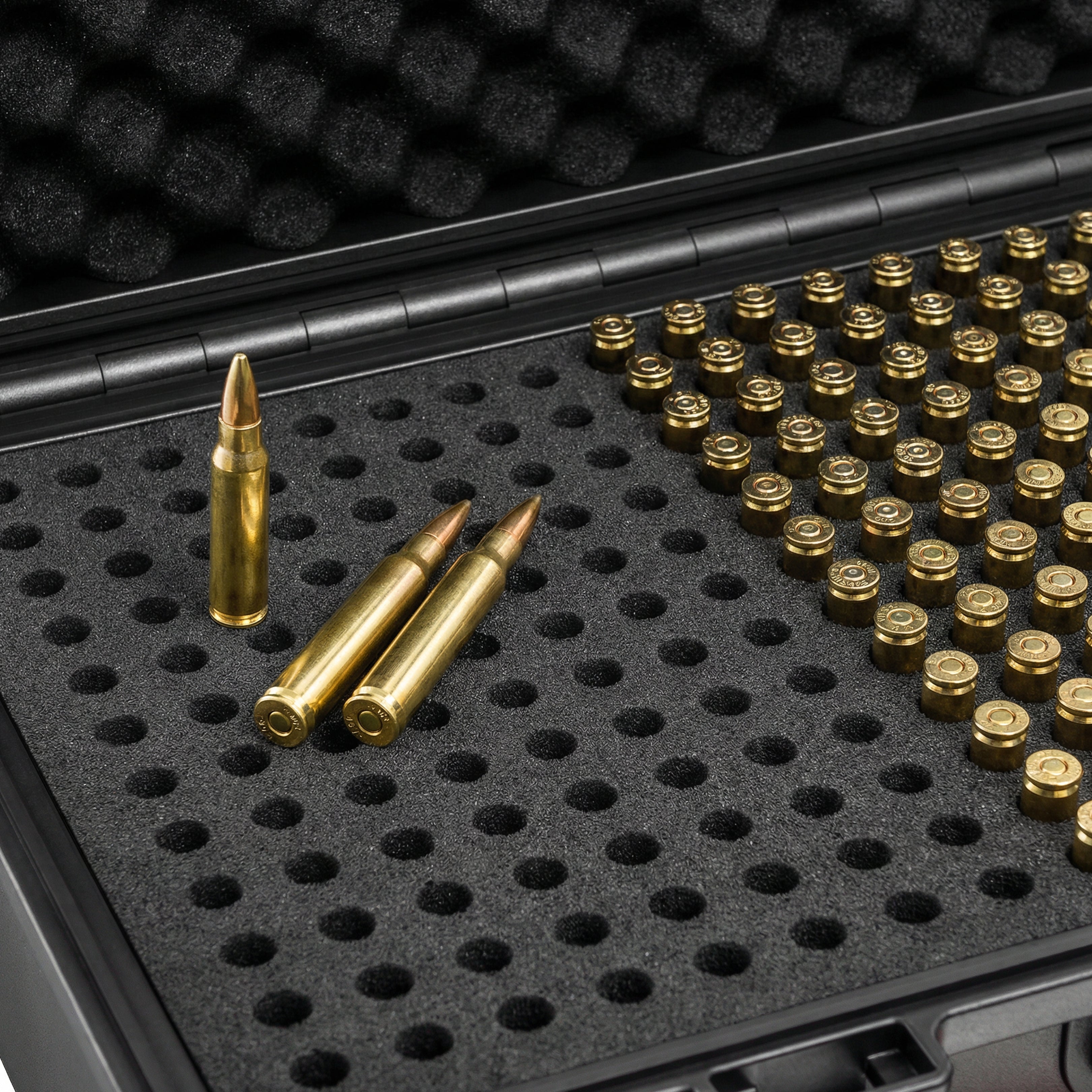
The 11" 9mm Storage Case 350 Rounds is a good fit for shooters who want a clean, labeled case for regular 9mm storage and rotation instead of loose factory boxes.
View 11" 9mm Storage CaseProduct includes case only; no weapons or ammunition included.
Rifle Ammo Organization: 16" 5.56 Storage Case 600 Round
The 16" 5.56 Storage Case 600 Round works for larger rifle-ammo batches where a compact pistol case would feel cramped or overloaded.
View 16" 5.56 Storage CaseProduct includes case only; no weapons or ammunition included.
7. Long-Term Ammo Storage Mistakes
- Keeping bulk ammo in unlabeled shipping cartons.
- Mixing calibers because it is "temporary."
- Forgetting purchase dates and losing rotation order.
- Overfilling one box until it becomes too heavy to move.
- Storing ammunition near solvents, oils, fuel, paint, or cleaning chemicals.
- Putting desiccant in a container that does not close tightly.

8. Where This Guide Stops: Home Safety and Outdoor Storage
This page is focused on long-term organization, bulk sorting, labeling, rotation, and basic moisture care. If your main concern is locked household access around children, visitors, roommates, or shared spaces, read our Safe Ammo Storage at Home Guide.
If your concern is hunting trips, mud, rain, or truck transport, use the Outdoor Waterproof Storage for Hunting and Truck Gear guide instead.
9. FAQ: Long-Term Ammo Storage
How do you store ammo long term?
Store ammunition in original or purpose-designed packaging, keep it cool and dry, and label every case with caliber, quantity, load, and purchase date. Keep older training ammo easy to reach so rotation actually happens.
What is the best way to organize bulk ammo?
Split bulk ammo by caliber and use instead of placing everything in one large box. Several labeled containers are easier to lift, inspect, and rotate.
Should ammo storage labels include purchase dates?
Yes. Purchase dates make ammo rotation much easier, especially when you buy in bulk or store several similar-looking loads.
Do I need desiccant for long-term ammo storage?
Use desiccant if your storage area is humid or the case stays closed for long periods. It works best inside a sealed container, not as a fix for a loose lid.
10. Build a Long-Term Storage System You Can Maintain
Start with one caliber, one labeled case, and one clear rotation habit. Then build from there.
Browse Ammo Storage Cases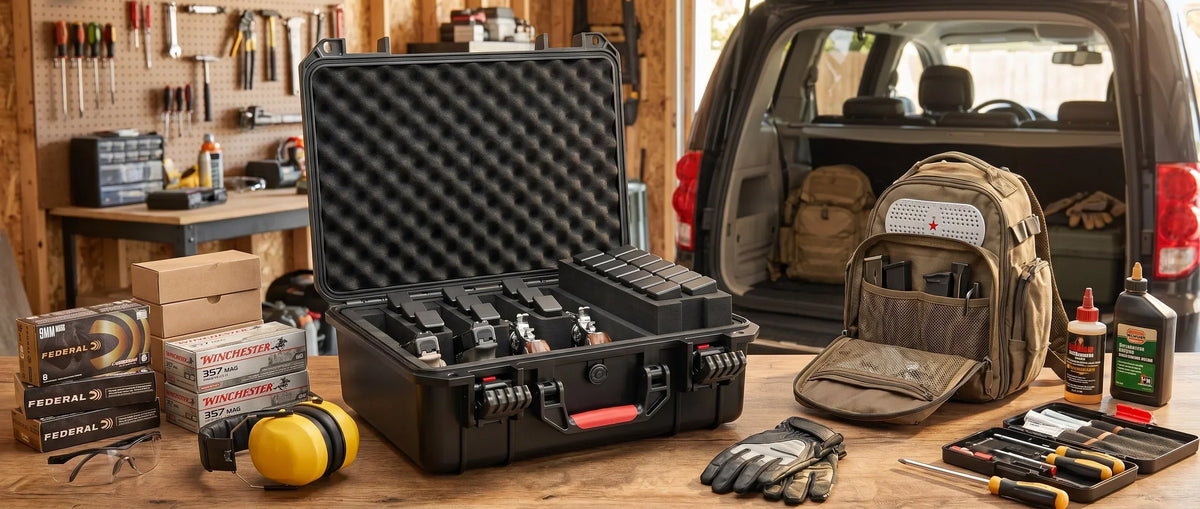

Leave a comment
This site is protected by hCaptcha and the hCaptcha Privacy Policy and Terms of Service apply.